

A check-out and check-in routine that protects you in damage disputes
From preparing the car to settling the deposit: fixed photo angles, fuel and mileage, a signed report, and a calm way to handle a dispute.
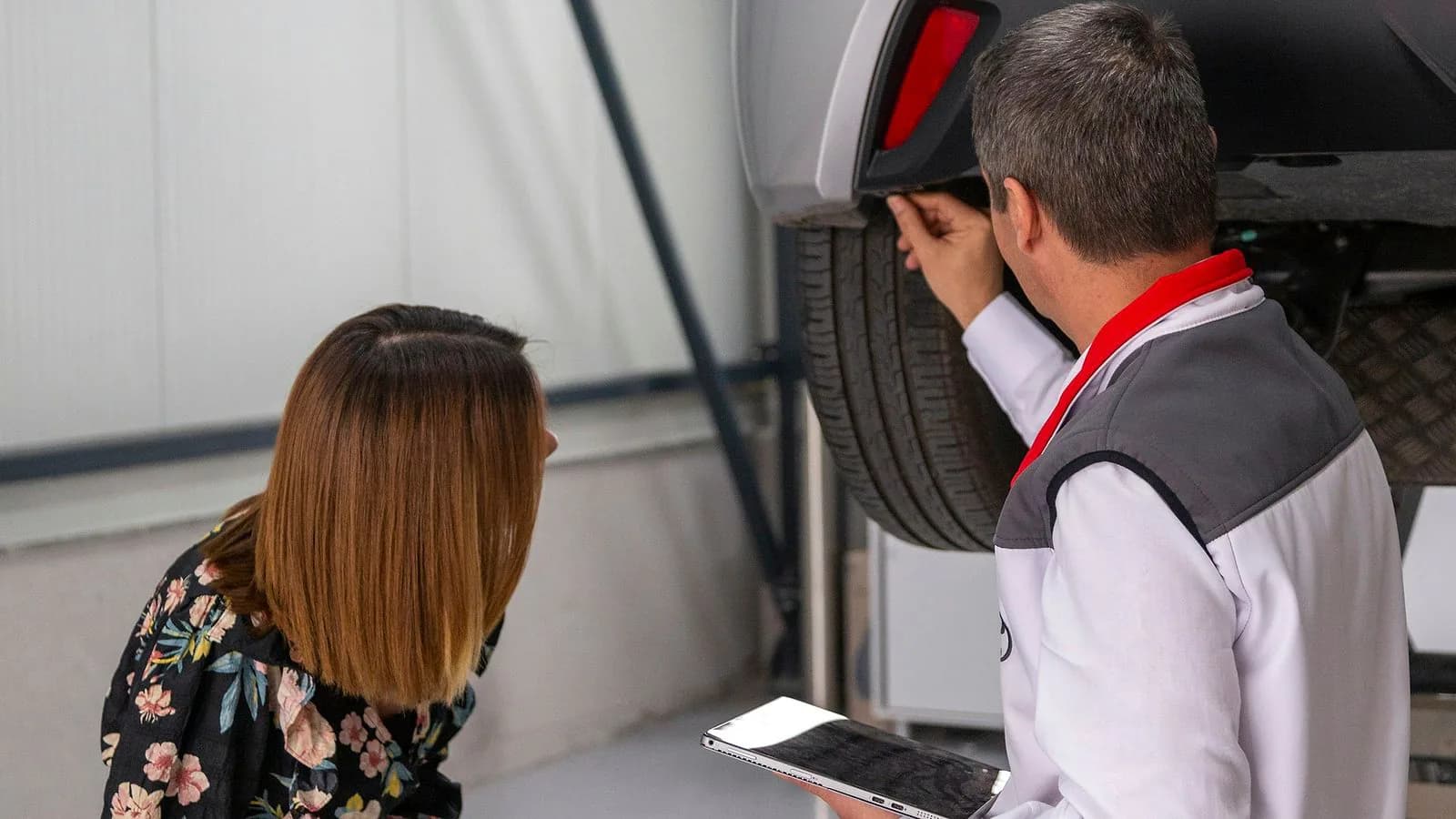
Almost every damage dispute starts the same way: the customer says the scratch was already there, you say it was not, and nobody can prove anything. The cure is not a sharper argument at the counter. It is a routine you run on every rental, the same at pick-up and at return, so the evidence exists before anyone needs it.
Prepare the car before the customer arrives
A clean car is an honest car: dirt hides scratches, and a disputed scratch under dust stays disputed for good. Wash the car, or at least wipe it, before every handover. Check the fuel level, the tyres, the spare wheel, the warning triangle, the documents in the glovebox and the interior.
Note every existing mark before the customer arrives, so that the list you hand over is already complete and nobody discovers a scratch during the handover. If a mark can be repaired cheaply, repair it: fewer old marks mean fewer arguments.
Photograph the car from the same fixed angles, every time
Choose one sequence and never change it, so that any employee can follow it and anyone can compare two sets of photos in seconds. A good order is:
- Front, then the front-left corner.
- Left side, then the rear-left corner.
- Rear, then the rear-right corner.
- Right side, then the front-right corner.
- Windscreen and roof.
- Each wheel and rim, which are among the most disputed spots.
- Interior: front seats, rear seats, boot.
Take a close-up of every existing mark, with the surrounding panel in the frame. Shoot in good light, with the customer present, and keep the originals without cropping or filters. Put the number plate in the first photo so that each set is clearly tied to one car and one rental.
Record fuel, mileage and extras, then get a signature
With the ignition on, photograph the dashboard so that the fuel gauge and the odometer are both readable, and write the two values down. Agree the fuel rule out loud, for example "full to full". List every accessory that leaves with the car: child seat, GPS, second key, charging cable.
Then walk around the car with the customer, mark any damage on a diagram of the car, and let them read the list before they sign. Give them a copy on the spot, by e-mail or WhatsApp. A signature on a list the customer had time to read is evidence. A signature collected in a hurry on a blank form is not. If the customer disagrees with a value or a mark, write their remark on the report before they sign and add a photo.
Run the same routine at return
At return, repeat everything in the same order, in the same light if you can, and with the customer standing next to you: same angles, same wheels, same dashboard photo. Photos taken in a different order or from a different distance are hard to compare, and a customer will notice. Allow enough time for the inspection: a rushed look at a busy counter is where mistakes happen, so keep a short slot free after each return.
If a customer drops the keys off outside opening hours, photograph the car as it was left and inspect it as soon as you can. Decide in your terms how long after return you may still report damage, and tell customers about it at pick-up.
Compare, then charge only what you can show
Put the pick-up and return photos side by side. Separate normal wear, which is part of renting, from damage, and write that line in your terms so that it never depends on mood. When there is damage, get a repair estimate before naming an amount, and invoice it line by line with the photos attached.
Settle the deposit the day the car comes back, not a week later: release it quickly when the car is fine, and explain any deduction in writing. Keep these items for every rental:
| What you keep | What it proves |
|---|---|
| Time-stamped photos at pick-up and return | The condition of the car on both dates |
| Signed condition report | That the customer saw and accepted the starting condition |
| Fuel and mileage values | Fuel and distance charges, if any |
| Contract and terms | What is covered, what is not, and the deposit rules |
| Repair estimate and invoice | That the amount charged matches a real cost |
If the customer disputes the charge
Stay calm and keep it factual. Show the two sets of photos together, point to the signed report and ask the customer to explain what they see. Most disputes end there, because the evidence answers the question without anyone being accused.
If you still disagree, offer to review the car together, give the itemised estimate in writing and refer to the terms the customer signed. If you cannot agree, involve your insurer or a legal adviser rather than escalating at the counter. Afterwards, ask what the photos failed to show and add that angle to your routine.
Make the routine stick
A routine that lives on paper depends on memory and on how busy the day is. In Pick2Rent, the check-out and check-in checklist on a tablet walks your agent through the same steps every time: mark damage on a car diagram (the damage map), attach photos, collect the customer’s signature, and add extra charges for fuel, cleaning or damage afterwards. The signed record stays with the booking. See the features.
- The car is clean and its existing marks are listed.
- Photos follow one fixed sequence, with a close-up of every mark.
- Fuel, mileage and accessories are recorded and photographed.
- The customer reads, signs and receives a copy.
- Return uses the same steps in the same order.
- Charges rest on photos and an estimate, and the deposit is settled the same day.
Keep reading
 Operations5 min read
Running an airport desk and a city desk: a multi-branch playbook
Opening hours, flight numbers, one-way fees, fleet balancing, meeting points, turnaround buffers, roles and reports for airport and city desks.
No comments yet
No comments yet
Be the first to share your experience.