

Running an airport desk and a city desk: a multi-branch playbook
Opening hours, flight numbers, one-way fees, fleet balancing, meeting points, turnaround buffers, roles and reports for airport and city desks.
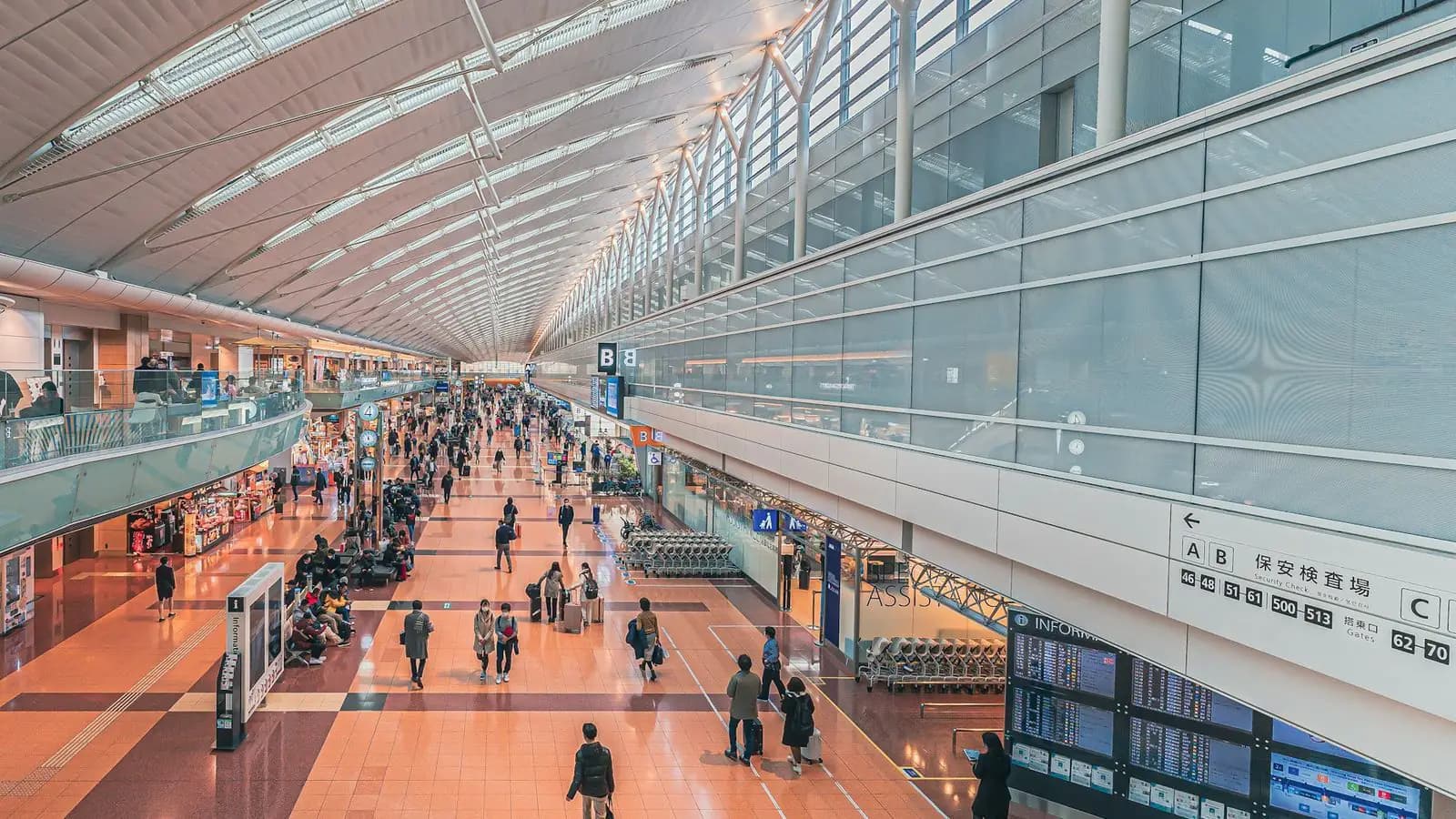
An airport desk and a city desk look like the same business at two addresses. They are not. One follows flight schedules and tired travellers, the other follows local customers, office hours and repeat visits. Running both well means giving each its own rules while keeping one clear picture of your fleet.
Two desks, two rhythms
Start by writing down how the two desks really differ, because every rule below depends on it.
| Topic | Airport desk | City desk |
|---|---|---|
| Customers | Arriving visitors, short stays, little local knowledge | Residents, companies, repeat customers, longer stays |
| Hours | Follow flight arrivals, sometimes at night | Business hours, with peaks before weekends and holidays |
| Handover | Quick, with luggage and a meeting point | Slower, with more questions and paperwork |
| Main risk | Delays, missed handovers, night staffing | Quiet days, returns outside hours, parking |
A good habit: each month, ask both teams for the three most common complaints and look for the pattern.
Set opening hours from flight times, not from habit
Look at when your airport customers actually land, and staff for that. You have three options: a desk open around the clock, a desk with fixed hours plus an on-call agent for late arrivals, or a late-arrival service by appointment with a fee (for example 30 to 50 TND after 22:00, an illustrative figure). A 24-hour desk is expensive, so staff it only when arrivals justify it, and rotate shifts so that nobody works alone at night. Whatever you choose, say it clearly on the booking page and in the confirmation.
Ask for the flight number at booking and check the flight status before the customer lands, so that your agent is there when the passenger comes out, not an hour earlier or later. Adjust hours for Ramadan, holidays and the peak weeks of summer, and make sure the people who greet travellers speak the languages they hear most: Arabic, French and English at least.
Price one-way and transfer fees to match the real cost
When a customer picks up at the airport and returns in town, someone has to bring the car back. Add the driver’s time, the fuel, the wear, and the rental income lost while the car is on the move, then round up. Illustrative figures: 25 TND from the airport to the city centre, 120 TND to another city. Set a fee per route, show it in the quote, and never add it at the counter. Ask your insurer whether cars may be returned at a different location.
The fee is also a tool: lower it, or waive it, in the direction where you need cars, and keep it in full in the direction where you have too many.
Keep the fleet balanced between branches
Every evening, know where each car is and how many cars of each category each branch will have tomorrow. Set a minimum stock per category and per branch. Schedule transfers in quiet hours with a named driver, and review the balance weekly in peak season, because a long weekend can leave the airport full of cars and the city desk empty, or the other way round. A simple weekly routine helps: on Thursday, compare the weekend’s expected pick-ups and returns per branch, and move cars on Friday morning.
Use returns as free transfers: a customer who ends the rental at the branch that is short of cars does the repositioning for you.
Plan meeting points, handovers and turnaround time
Choose the pick-up method that fits each case: a counter in the arrivals hall, a meet-and-greet with a name sign, a handover in the car park, delivery to a hotel for a fee, or a key box for a late arrival whose documents and payment were checked beforehand. Put the exact meeting point, a map pin and a phone number in the confirmation message. Tell the customer what happens if the flight is late or nobody is at the meeting point: a number answered at any hour by someone who can decide.
Block a buffer in the calendar after every return, to inspect, clean and refuel the car before the next customer. Illustrative figures: 60 to 90 minutes at the airport, 2 to 3 hours in the city. Decide on a grace period for late returns, for example 30 to 60 minutes, then an hourly charge.
Give each person a role, and report by branch
Do not share one login. A counter agent handles bookings, payments and handovers. A branch manager approves discounts, refunds and transfers. The owner sets rates and reads the reports. Remove access the day someone leaves.
Once a month, compare the branches on the same few numbers: occupancy, revenue per car, extras sold, no-shows, damage claims and transfers. Treat each branch like a small business and charge transfer costs to the branch that benefits. Keep the same pricing rules at both branches unless a difference is deliberate: unexplained gaps confuse customers who compare.
Put it into practice
Pick2Rent keeps your bookings, availability calendar, fleet, team roles and reports in one portal, so both desks work from the same picture of the fleet. See the features or talk to us about your setup.
- Opening hours follow flight times, with a clear late-arrival rule.
- Flight numbers are collected at booking and checked before arrival.
- One-way and transfer fees match real costs and appear in the quote.
- A minimum stock per category is set for each branch.
- Meeting points are exact, and turnaround buffers are blocked.
- Roles are separate, and branches are compared every month.
Keep reading
 Operations5 min read
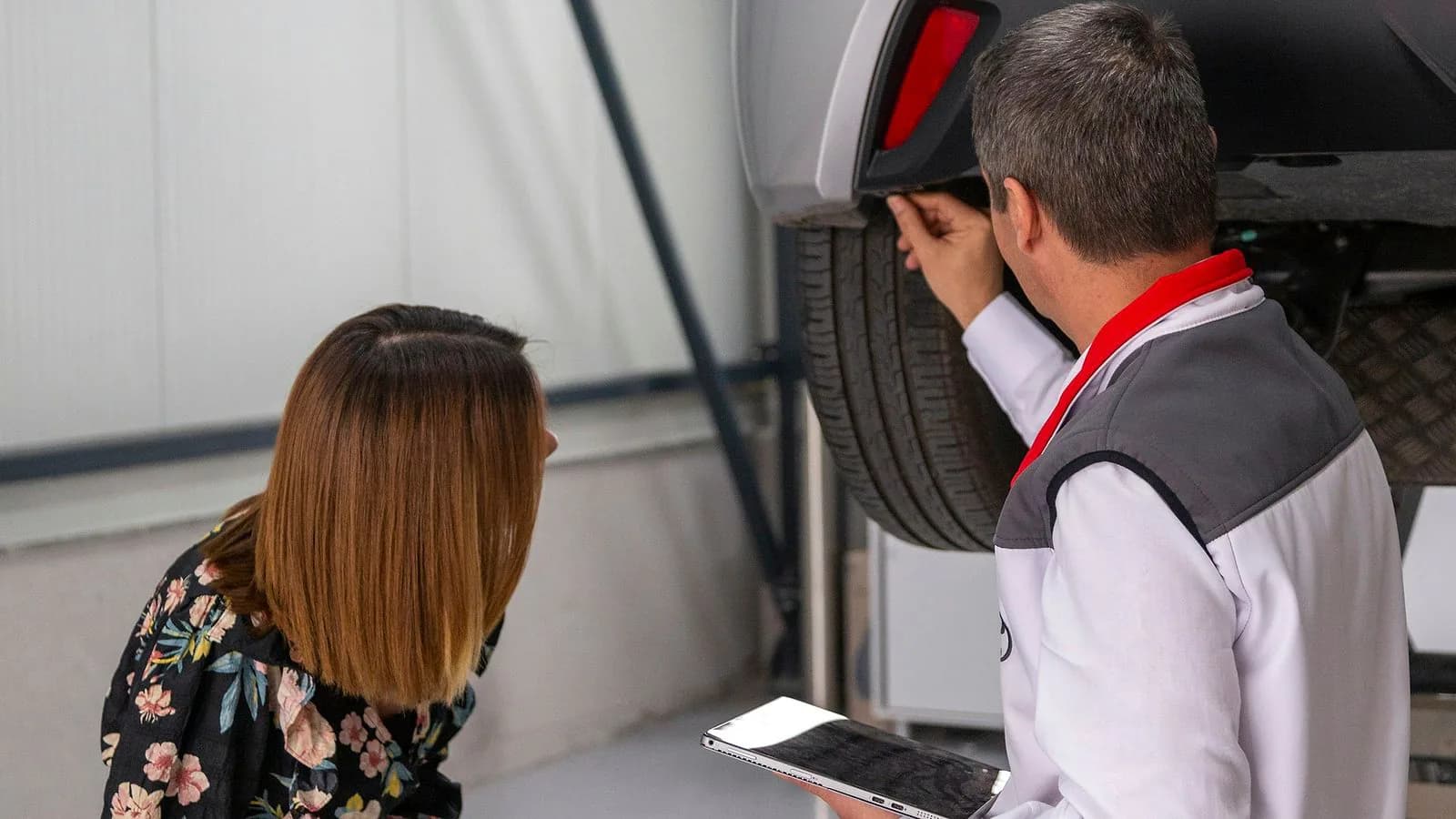
A check-out and check-in routine that protects you in damage disputes
From preparing the car to settling the deposit: fixed photo angles, fuel and mileage, a signed report, and a calm way to handle a dispute.
No comments yet
No comments yet
Be the first to share your experience.